


-

Add: HeBei ShengShi HongBang Cellulose Technology CO.,LTD.
-

Email
13180486930@163.com -

CONTACT US
+86 13180486930




Understanding Wood Composition Cellulose, Hemicellulose, and Lignin Wood is a remarkable natural material that has been utilized by humans for thousands of years, primarily due to its mechanical properties and abundance. Its structure is complex, consisting predominantly of three main biopolymers cellulose, hemicellulose, and lignin. Each of these components plays a critical role in the characteristics and functionalities of wood, making them essential to understand for applications in construction, paper production, biofuels, and more. Cellulose The Backbone of Wood Cellulose is the most abundant organic polymer on Earth and constitutes a significant portion of wood, accounting for about 40-50% of its dry weight. Structurally, cellulose is a linear chain of glucose molecules linked by β-1,4-glycosidic bonds, forming long, strong fibers that provide tensile strength and rigidity to the wood. This strength is crucial for trees, allowing them to grow tall and withstand various environmental stresses. The molecular structure of cellulose enables it to form hydrogen bonds with adjacent cellulose chains, resulting in a crystalline structure that contributes to the hardness and mechanical strength of wood. This feature is why cellulose is extensively used in the paper industry, as it can be processed into high-strength paper products. Furthermore, the properties of cellulose allow for its use in producing renewable materials like bioplastics and composites, aligning with the global trend toward sustainability. Hemicellulose The Support Structure Hemicellulose constitutes about 15-35% of wood's composition. Unlike cellulose, hemicellulose is not a single polymer but a group of heterogeneous polysaccharides with various sugar monomers, including xylose, mannose, and galactose . Hemicellulose is branched, making it less crystalline and more soluble in water compared to cellulose. This structural variance gives hemicellulose significant functional roles in wood. wood composition cellulose hemicellulose lignin Hemicellulose serves as a support structure that complements cellulose, filling the spaces between cellulose fibers and enhancing the overall integrity of the wood. It also plays a crucial role in the binding of cellulose fibers together, contributing to the wood's elasticity and flexibility. In addition, hemicellulose is important during the pulping process in paper manufacturing, as it can be partially removed to improve the quality of the final product. Lignin The Reinforcement Lignin is the most complex and largest component of the wood structure, accounting for about 20-30% of its weight. It is a polyphenolic compound that serves to waterproof and harden the cell walls of wood, contributing to its rigidity and resistance to decay. The unique structure of lignin, which is irregular and highly cross-linked, helps to bind cellulose and hemicellulose together, further reinforcing the wood’s mechanical properties. Lignin’s ability to protect the wood from microbial attack and its role in the water transport system of trees make it vital for plant health and growth. Furthermore, lignin is gaining attention in biorefinery processes as a potential renewable resource for producing biofuels, chemicals, and even biodegradable polymers. Its abundant presence in lignocellulosic biomass makes it a key player in advancing sustainable materials and energy solutions. Conclusion In summary, the wood composition of cellulose, hemicellulose, and lignin plays a pivotal role in defining the material’s physical and chemical properties. Understanding these components not only deepens our appreciation of wood as a natural resource but also opens the door to innovative applications in various industries. As we continue to seek sustainable alternatives to synthetic materials, the insights gained from the study of wood composition will undoubtedly shape the future of material science and environmental stewardship.
- 40000tons

Production
- 20+years

Experience
- 5000+㎡

Acreage

-
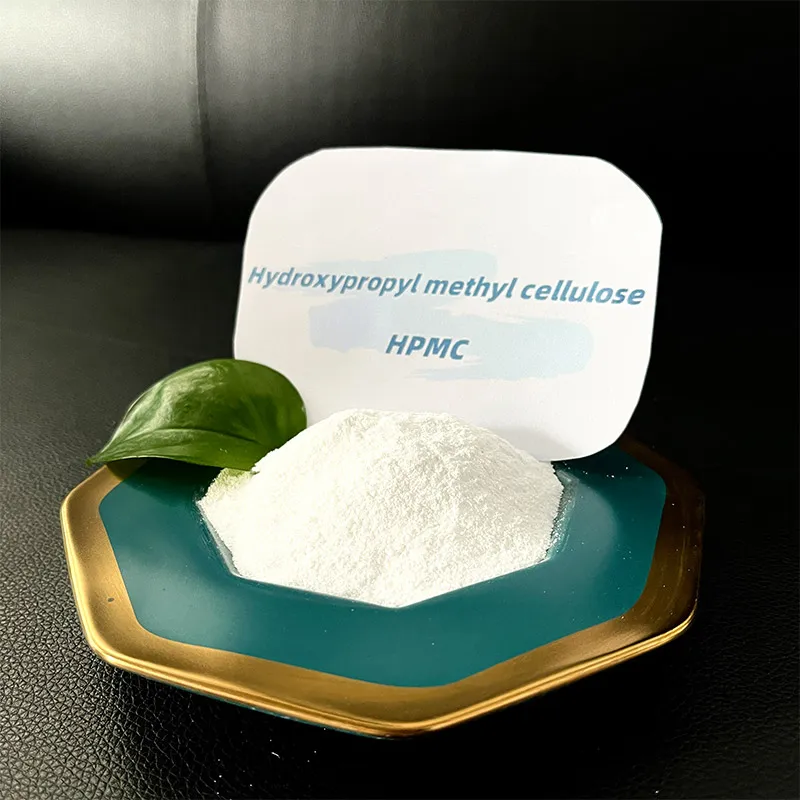
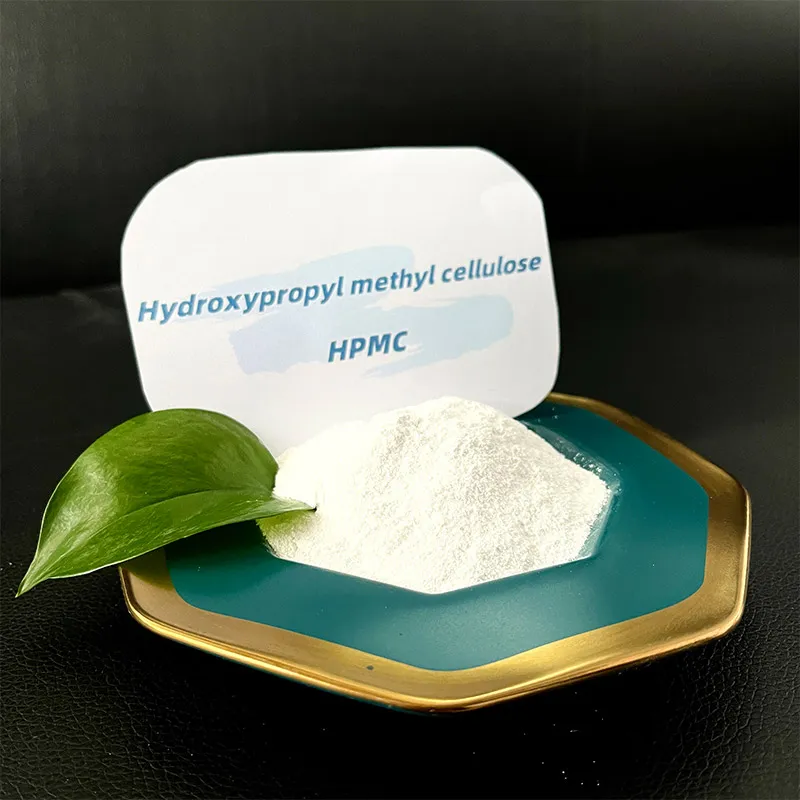
Navigating the complex waters of supplements and their components can be daunting. However, one name that often comes up in discussions about high-quality supplement ingredients is VivaPharm HPMC. Many products owe their efficacy to this compound, making it a focus for consumers and industry experts alike. This article aims to shed light on VivaPharm HPMC, exploring its true potential through the lenses of experience, expertise, authoritativeness, and trustworthiness. VivaPharm HPMC—or Hydroxypropyl Methylcellulose—is more than just a mouthful of syllables. It represents the pinnacle of cutting-edge supplement technology. As a pharmaceutical-grade cellulose derivative, it is uniquely engineered for consistency and reliability in various applications. In the competitive world of health supplements, the need for trustworthy components has never been more critical. VivaPharm HPMC meets these requirements impeccably, supporting its host of benefits with strong empirical data and industry endorsement. From an experiential standpoint, VivaPharm HPMC enhances product performance by acting as a controlled-release agent. This means that once ingested, the active ingredients in a supplement are metabolized steadily, providing a more consistent and sustained effect. This is particularly beneficial for pharmaceuticals and dietary supplements that require precise delivery mechanisms to maximize efficacy. Users have long hailed this feature as a game-changer, often citing extended relief and improved outcomes as noteworthy benefits. Personal testimonials and documented case studies abound, underscoring the real-world impact of products utilizing VivaPharm HPMC. Professional expertise is another critical factor that positions VivaPharm HPMC as a superior choice for health applications. Pharmacists and formulators routinely emphasize the compound’s versatility in enhancing solubility and stability of hydrophobic active ingredients. Its non-ionic and inert characteristics also ensure compatibility with numerous formulations, mitigating issues of cross-reactivity—a critical consideration in the pharmaceutical and nutraceutical industries. It’s clear that expert consensus places VivaPharm HPMC in a league of its own, with extensive research supporting its use across diverse product categories. vivapharm hpmc Authoritativeness in the realm of supplement ingredients cannot be overstated. VivaPharm stands as a bastion of quality assurance and regulatory compliance . Products incorporating VivaPharm HPMC are frequently subjected to rigorous quality testing and adhere to stringent industry standards. This dedication to excellence not only instills confidence among manufacturers but also reassures consumers of the safety and reliability of the supplements they choose to incorporate into their health regimens. Such authoritative backing is essential in an industry fraught with dubious claims and subpar products. Lastly, the trustworthiness of VivaPharm HPMC is reflected in its global reputation. Garnering endorsements from industry bodies and being a staple ingredient for top-tier supplement brands, VivaPharm exemplifies transparency and integrity. The company’s commitment to sustainability and ethical sourcing further cements its status as a trusted leader in the field of supplement production. Consumers increasingly demand accountability and green practices from the brands they support, and VivaPharm undoubtedly delivers on these fronts. In conclusion, whether for personal use or large-scale manufacturing, VivaPharm HPMC serves as a benchmark for quality and reliability. Its proven benefits in controlled release, combined with broad industry expertise and authoritative endorsement, make it a standout ingredient in the world of supplements. As consumers become more informed and discerning, the demand for trustworthy, high-performing components will continue to rise. VivaPharm HPMC, with its holistic applicability and steadfast dedication to quality, is well-poised to remain at the forefront of this dynamic field, ensuring that the supplements reaching consumers are as effective and safe as possible.
-
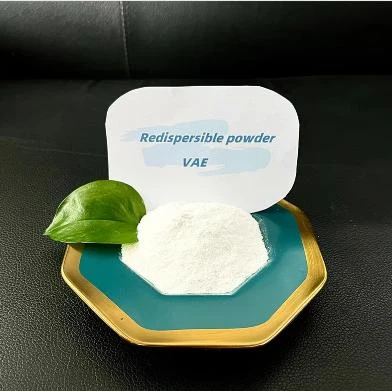
Navigating the complex waters of supplements and their components can be daunting. However, one name that often comes up in discussions about high-quality supplement ingredients is VivaPharm HPMC. Many products owe their efficacy to this compound, making it a focus for consumers and industry experts alike. This article aims to shed light on VivaPharm HPMC, exploring its true potential through the lenses of experience, expertise, authoritativeness, and trustworthiness. VivaPharm HPMC—or Hydroxypropyl Methylcellulose—is more than just a mouthful of syllables. It represents the pinnacle of cutting-edge supplement technology. As a pharmaceutical-grade cellulose derivative, it is uniquely engineered for consistency and reliability in various applications. In the competitive world of health supplements, the need for trustworthy components has never been more critical. VivaPharm HPMC meets these requirements impeccably, supporting its host of benefits with strong empirical data and industry endorsement. From an experiential standpoint, VivaPharm HPMC enhances product performance by acting as a controlled-release agent. This means that once ingested, the active ingredients in a supplement are metabolized steadily, providing a more consistent and sustained effect. This is particularly beneficial for pharmaceuticals and dietary supplements that require precise delivery mechanisms to maximize efficacy. Users have long hailed this feature as a game-changer, often citing extended relief and improved outcomes as noteworthy benefits. Personal testimonials and documented case studies abound, underscoring the real-world impact of products utilizing VivaPharm HPMC. Professional expertise is another critical factor that positions VivaPharm HPMC as a superior choice for health applications. Pharmacists and formulators routinely emphasize the compound’s versatility in enhancing solubility and stability of hydrophobic active ingredients. Its non-ionic and inert characteristics also ensure compatibility with numerous formulations, mitigating issues of cross-reactivity—a critical consideration in the pharmaceutical and nutraceutical industries. It’s clear that expert consensus places VivaPharm HPMC in a league of its own, with extensive research supporting its use across diverse product categories. vivapharm hpmc Authoritativeness in the realm of supplement ingredients cannot be overstated. VivaPharm stands as a bastion of quality assurance and regulatory compliance . Products incorporating VivaPharm HPMC are frequently subjected to rigorous quality testing and adhere to stringent industry standards. This dedication to excellence not only instills confidence among manufacturers but also reassures consumers of the safety and reliability of the supplements they choose to incorporate into their health regimens. Such authoritative backing is essential in an industry fraught with dubious claims and subpar products. Lastly, the trustworthiness of VivaPharm HPMC is reflected in its global reputation. Garnering endorsements from industry bodies and being a staple ingredient for top-tier supplement brands, VivaPharm exemplifies transparency and integrity. The company’s commitment to sustainability and ethical sourcing further cements its status as a trusted leader in the field of supplement production. Consumers increasingly demand accountability and green practices from the brands they support, and VivaPharm undoubtedly delivers on these fronts. In conclusion, whether for personal use or large-scale manufacturing, VivaPharm HPMC serves as a benchmark for quality and reliability. Its proven benefits in controlled release, combined with broad industry expertise and authoritative endorsement, make it a standout ingredient in the world of supplements. As consumers become more informed and discerning, the demand for trustworthy, high-performing components will continue to rise. VivaPharm HPMC, with its holistic applicability and steadfast dedication to quality, is well-poised to remain at the forefront of this dynamic field, ensuring that the supplements reaching consumers are as effective and safe as possible.
advantages
-

200000 Viscosities
Excellent product
We can produce pure products up to 200,000 viscosities
-

40000 tons
High yield
We don’t stop production all year round, and the annual output can reach 40,000 tons
-

24 hours
Quality service
We provide 24-hours online reception service, welcome to consult at any time
———— Inquiry Form
Schedule A services
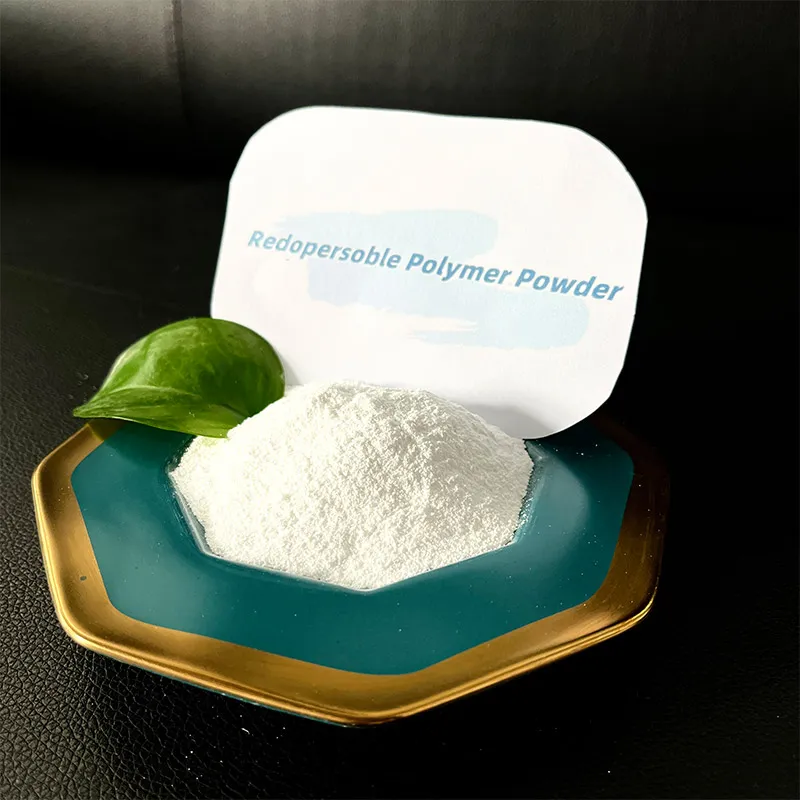

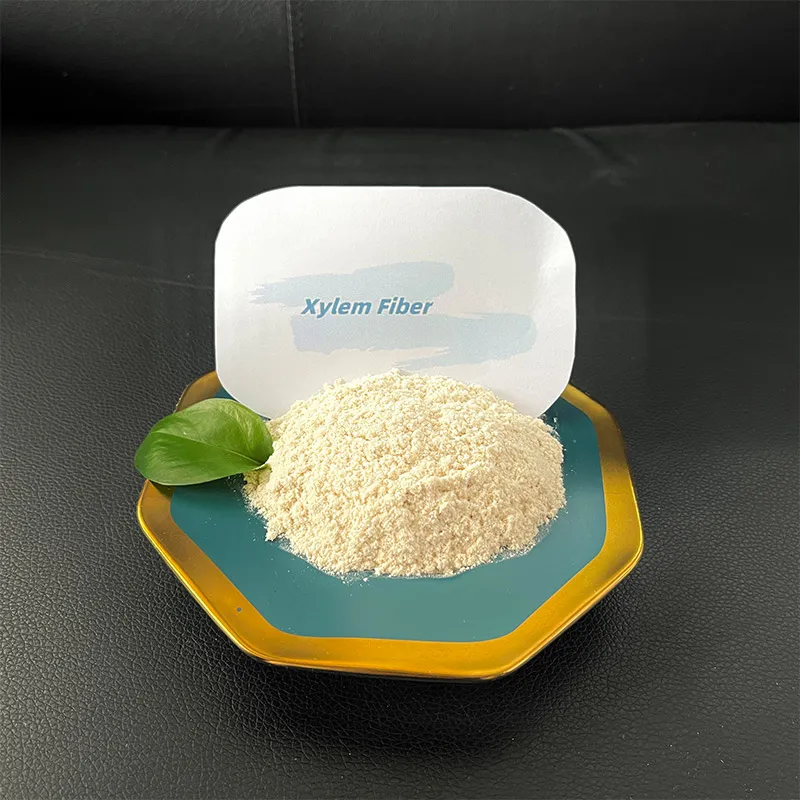
-
 fiber_polypropen
Oct . 25, 2025
Understanding Polypropylene Fibers for Concrete Slabs Enhancing Durability and Performance In the re -
 raw_material_for_synthetic_fibers
Oct . 25, 2025
The Use of Polypropylene Fibre in Concrete Enhancing Durability and Performance Concrete is one of t -
 pp_nyuzi
Oct . 25, 2025
HPMC E5 LV, connu sous le nom de hydroxypropylméthylcellulose, est un polymère essentiel dans l'indu


